
In Japan with MICHI
We constantly get asked for Japan travel recommendations, so we decided it is high time to start sharing a few of our favourites with you.
Each of our trips to Japan begins with careful research. We map out production regions, identify producers and farmers to visit, and plan itineraries that go beyond the usual stops.
With this post, we are sharing our favourite places from our recent trips.
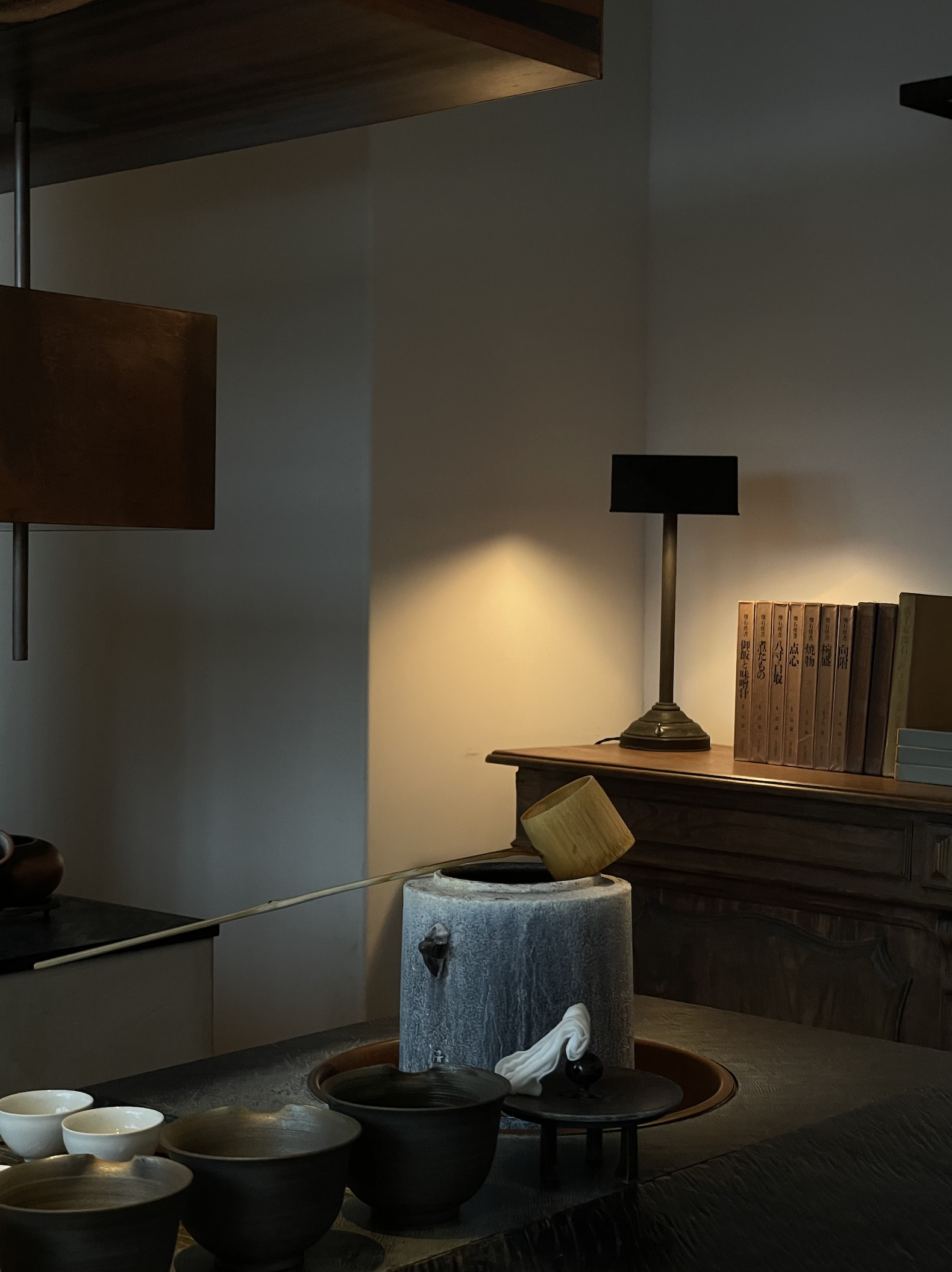
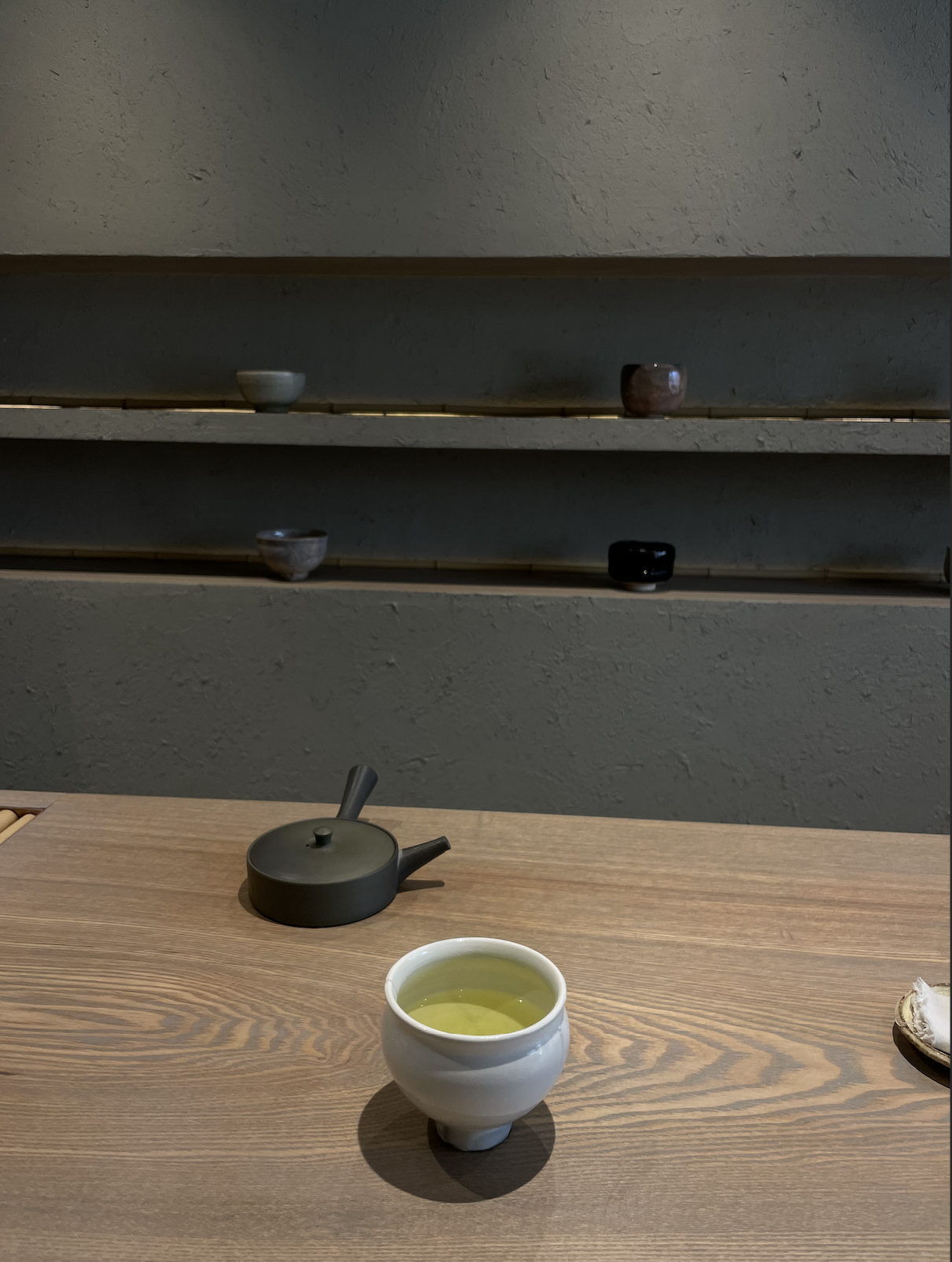
Our first stop in Tokyo was Sakurai Tea Experience in Aoyama. This is not a typical tea shop — it is a modern tea salon dedicated to single-estate, seasonal Japanese teas. We sat at the counter and watched their team brew everything from delicate gyokuro to roasted hojicha right in front of us.
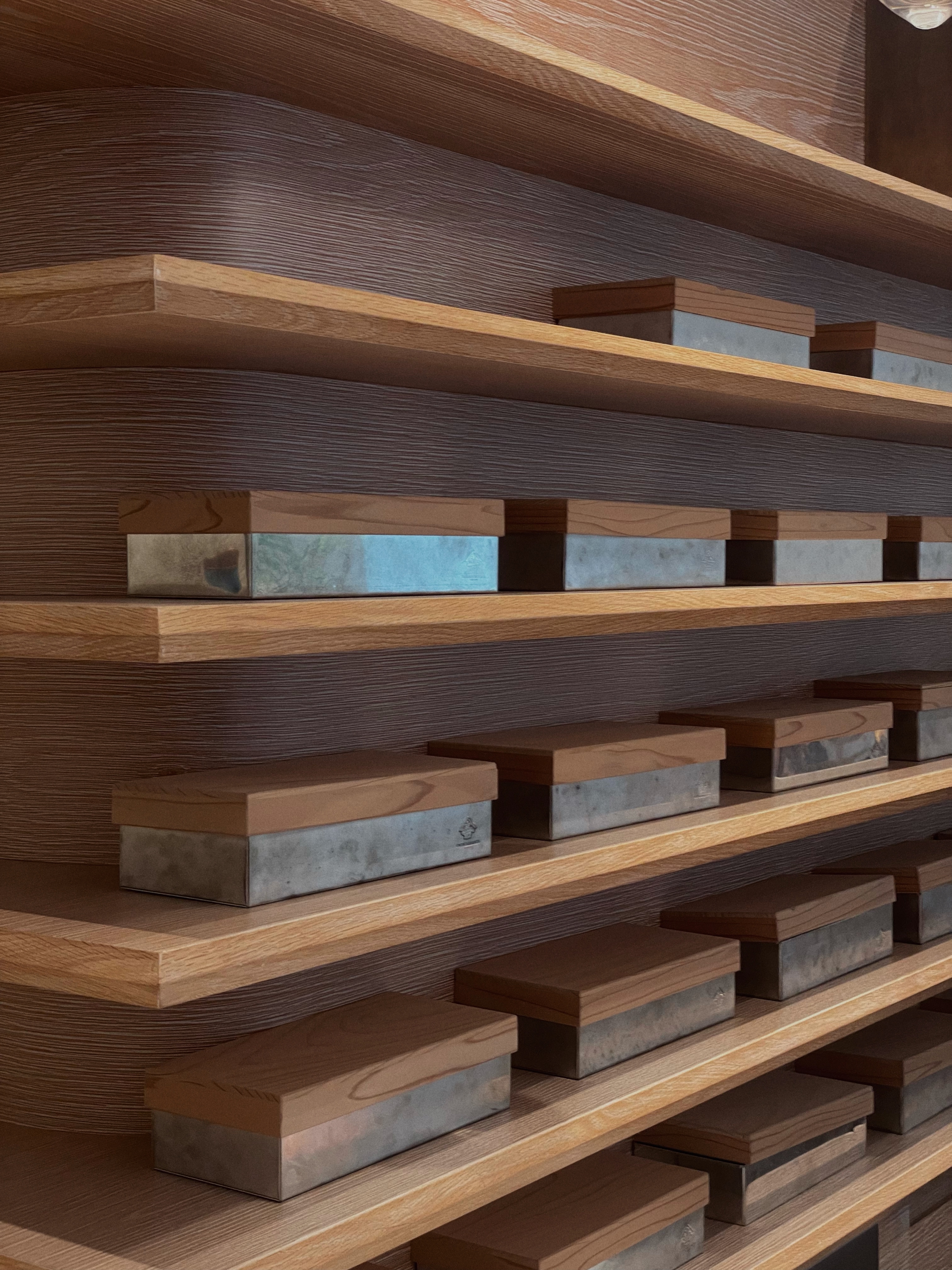
From there we visited Yamamotoyama Fujie in Ginza, a historic tea house founded in 1854, now reimagined as a sleek, minimalist space. We came for their matcha but also decided to stay for their lunch, which was great.
Sakurai Tokyo |
Yamamotoyama |
 |
 |
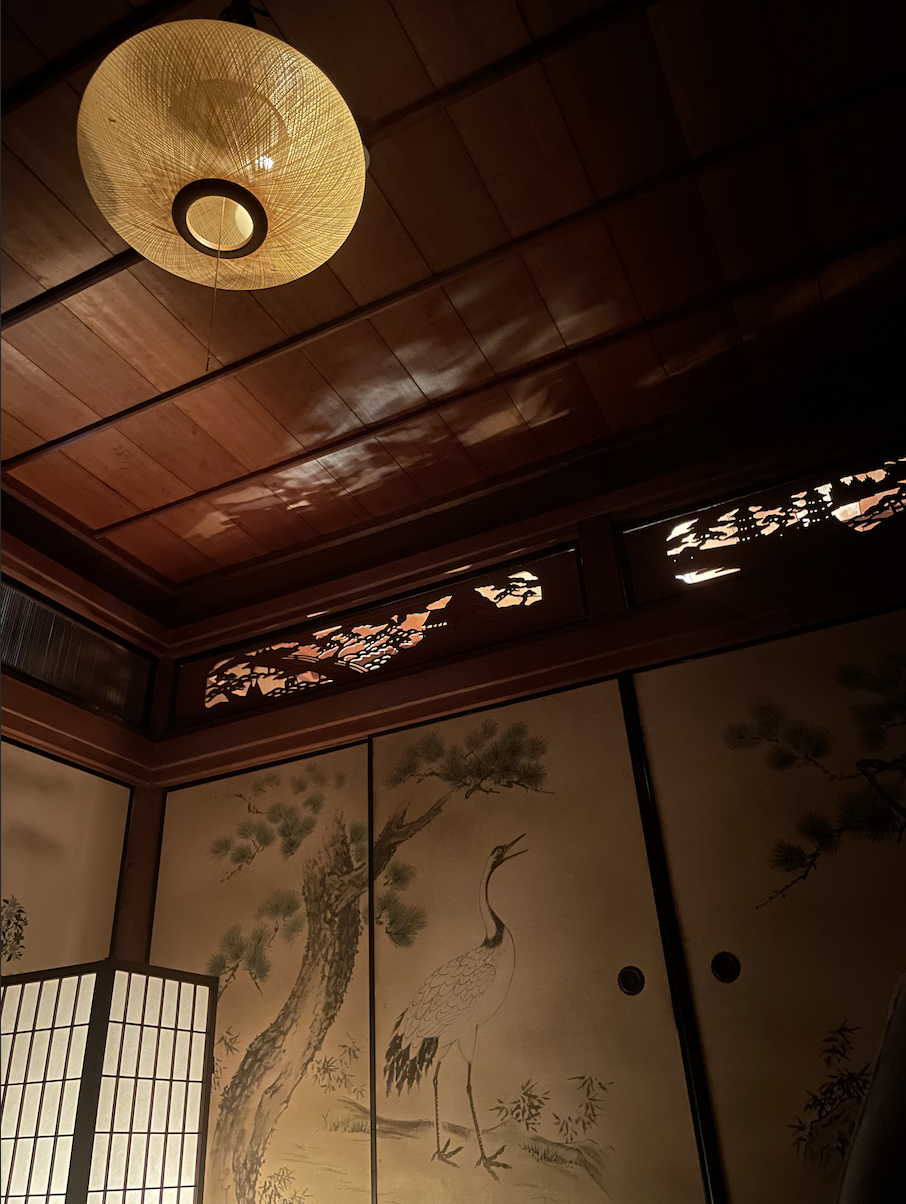
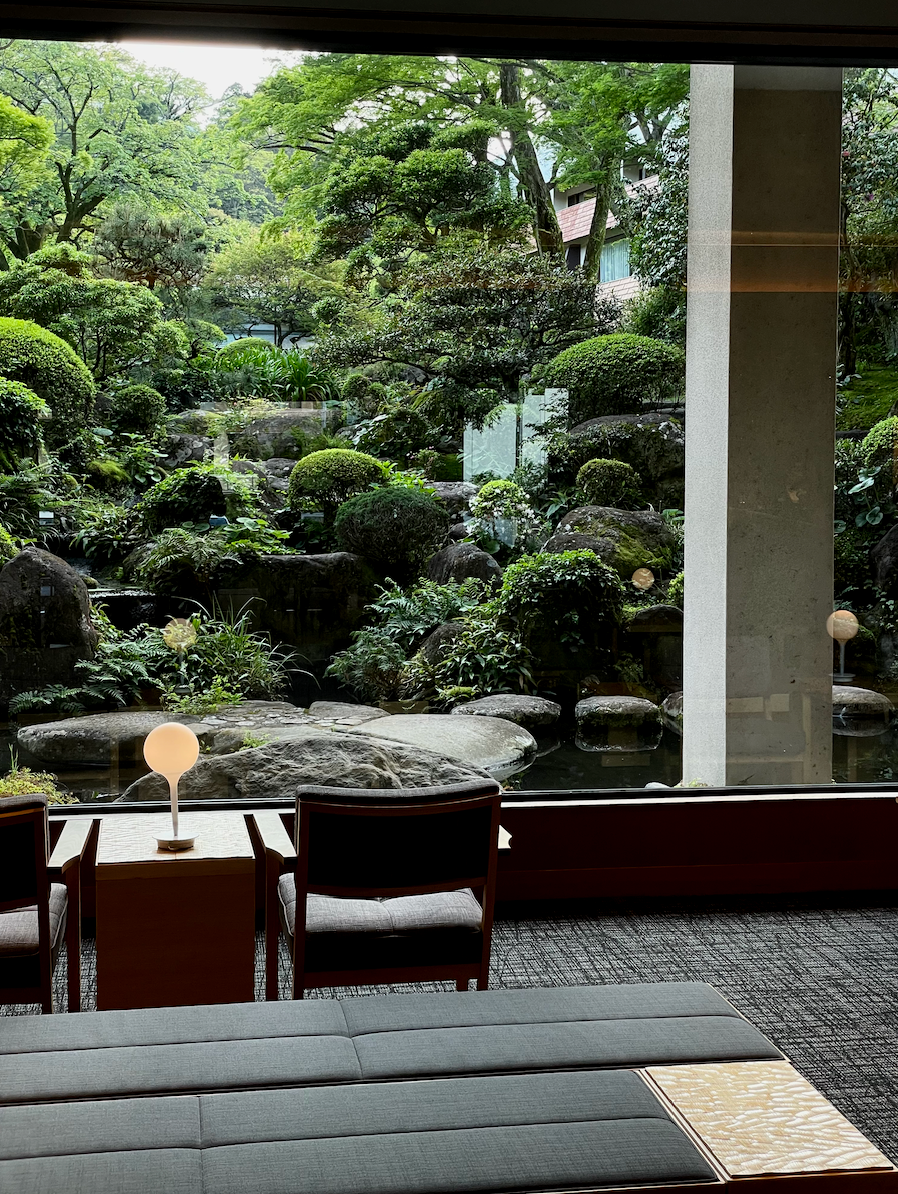
In Hakone, we stayed at Yoshiike Ryokan, a family-run inn perched above the valley with open-air onsens fed by natural hot springs and kaiseki dinners served in-room. Their garden is a must and their onsen is almost empty if you go early.
The highlight of our time in Hakone was the Farmstead at Shanti Family, a small organic farm and guesthouse hosted by Natsuke and her family. They served us a vegetarian farm-to-table lunch, and Natsuke was kind enough to process tea she had harvested the very day we arrived. For anyone wanting to experience a true Japanese family welcome, we cannot recommend this place enough.
Farm stay |
Yoshiike Ryokan |
 |
 |
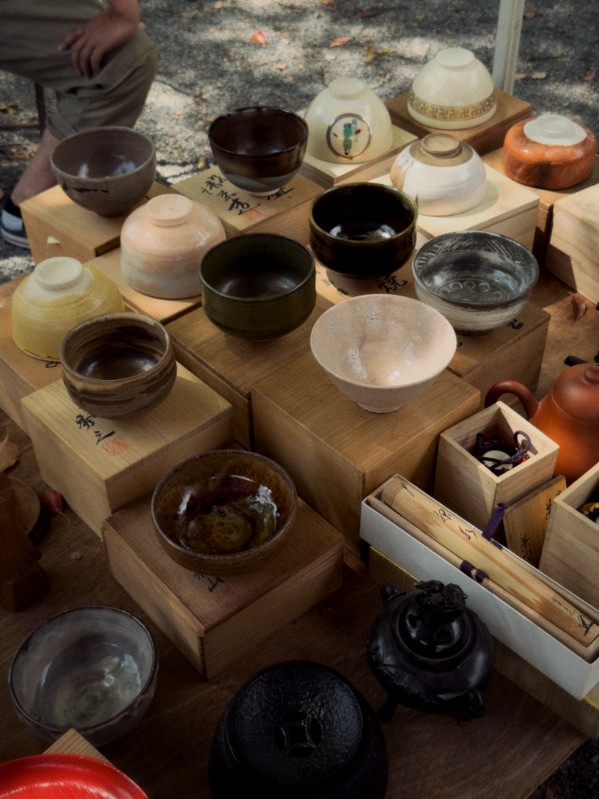
In Kyoto, we wandered the Antique Market at Tenjin-san, where stalls were filled with vintage tea utensils — iron kettles, bamboo chasen, ceramic chawan from decades past. We found a few pieces we could not resist bringing home. The market is held on the 21st of each month.
Yugen Kyoto is a modern wagashi studio that pairs handmade sweets with seasonal tea. Each piece is a small work of art. We tried their spring set: sakura mochi, takenoko manju, and a matcha gelée that tasted like forest shade.
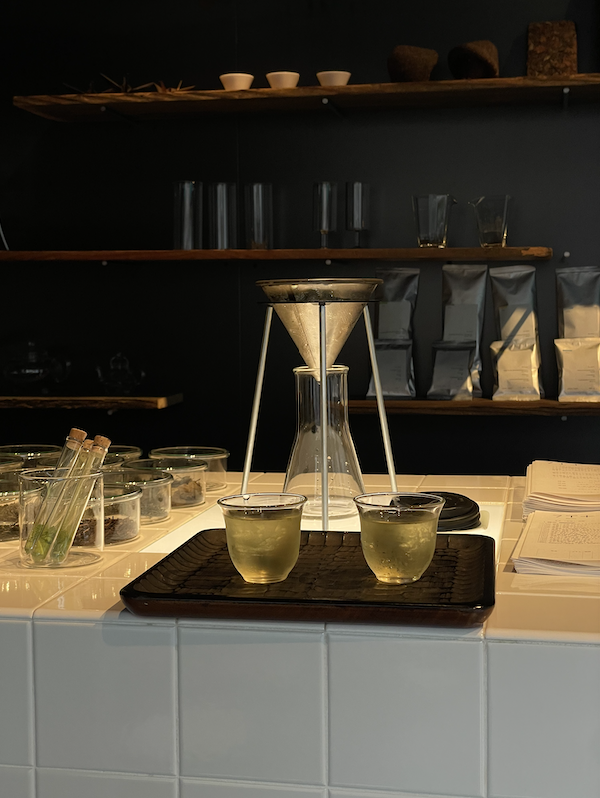
At 7T+ Tea Shop, a small owner-run space in central Kyoto, the owner walked us through a flight of Yame and Uji teas. We left with a bag full of samples and a notebook full of ideas.
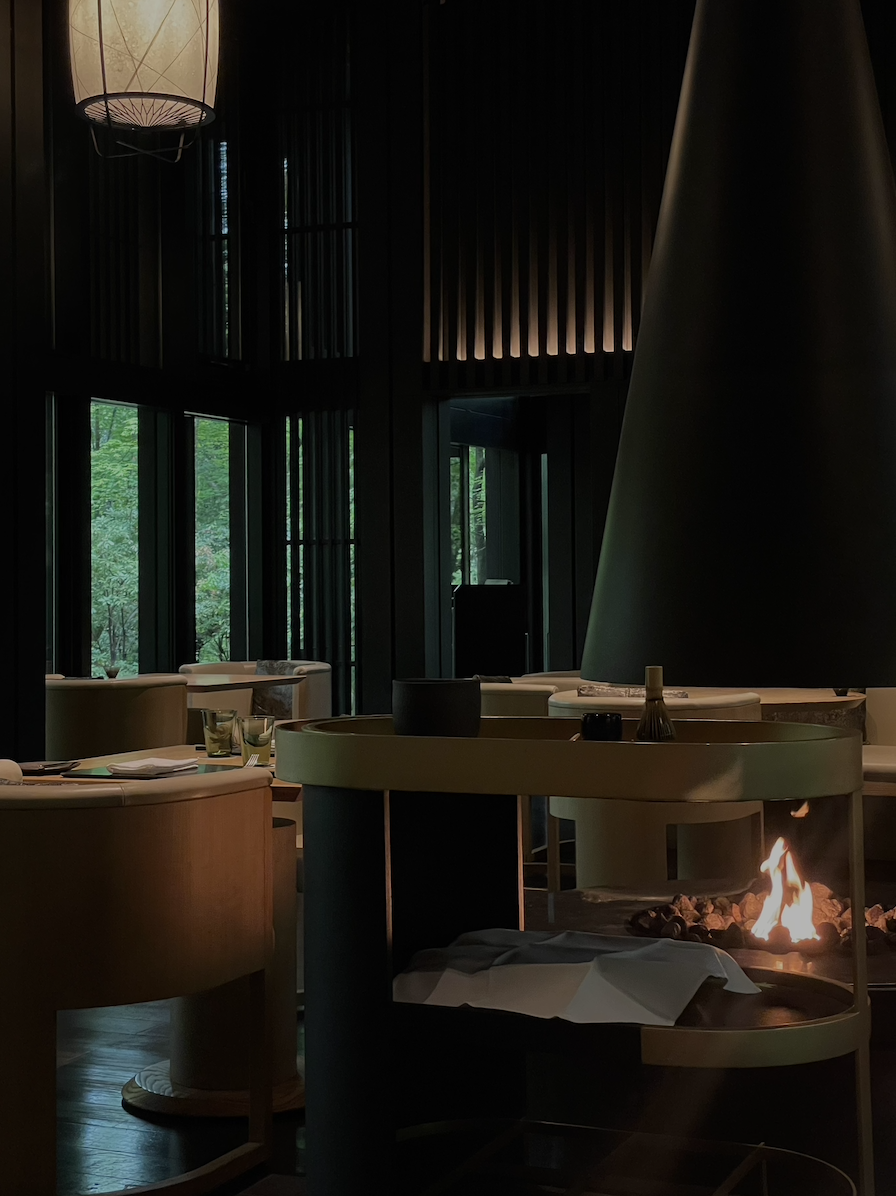
We also booked afternoon tea at Aman Kyoto — a refined spread of sandwiches, wagashi, and pastries, all infused with matcha, hojicha, or yuzu.
Yugen Kyoto |
7T+ Tea |
 |
 |
Aman Kyoto |
Kyoto Market |
 |
 |
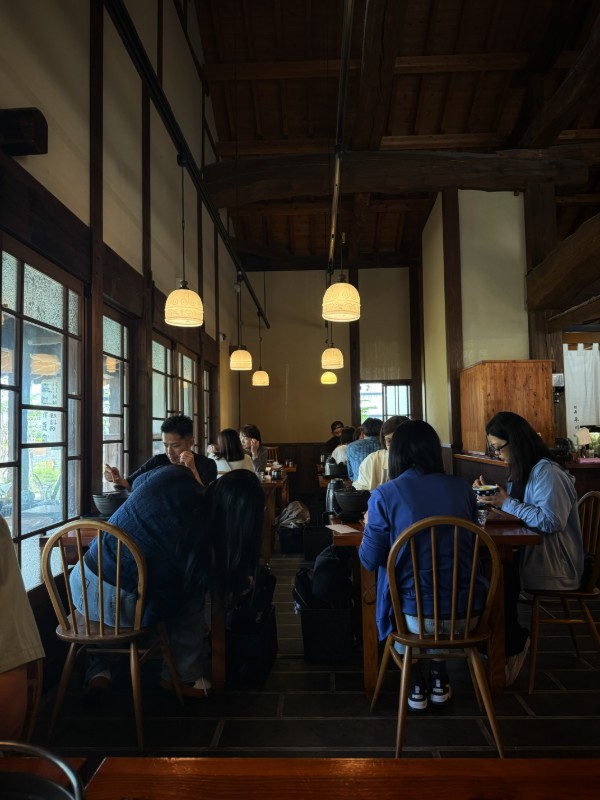
On Kyushu Island, we stopped at Hirakawaya in Ureshino, one of the region's legendary tofu shops. Ureshino's soft, silky tofu has been made here for over 600 years using mineral-rich spring water that gives it an unmatched creaminess. Their yudofu — simmered tofu served with ponzu and fresh wasabi — is something we still think about.
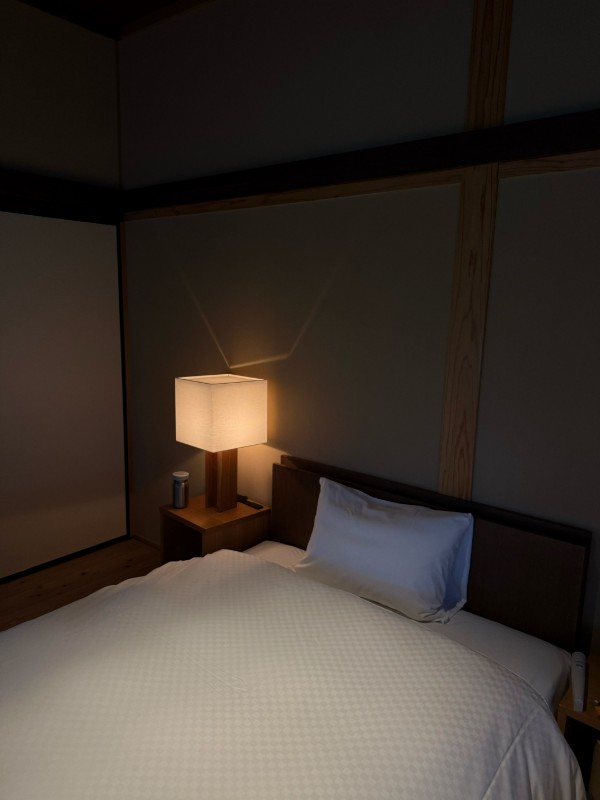
We stayed at Nipponia Hotel Yame, a beautifully restored kominka farmhouse turned boutique hotel in one of Japan's most celebrated tea regions. The design is restrained and considered, and breakfast began with a bowl of locally prepared matcha.
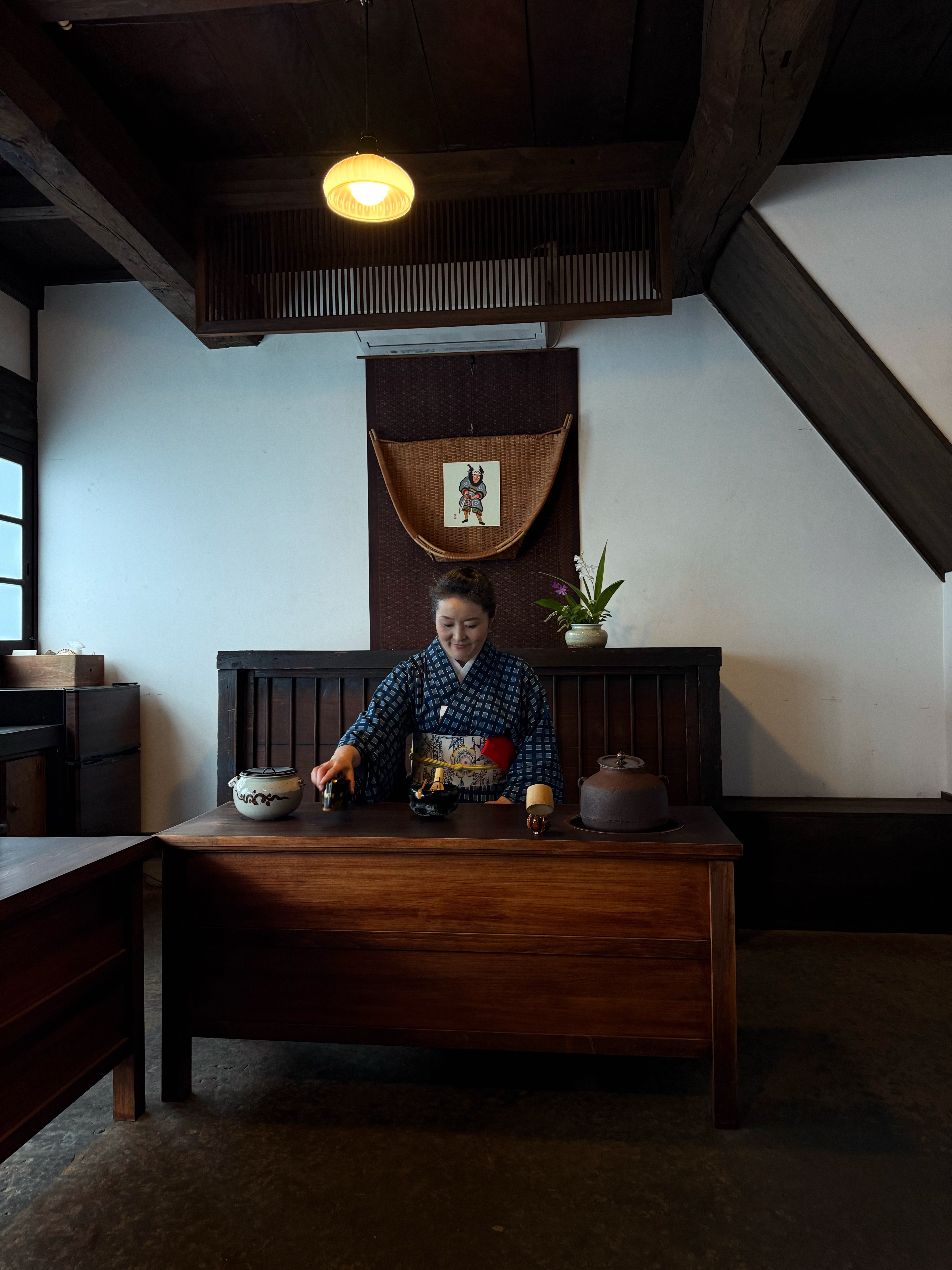
We stumbled upon Maruya Sabou Tea House by chance on a rainy afternoon in Yame. As we stepped inside, a wonderful host calmly prepared matcha and hojicha for us, accompanied by her homemade wagashi. It was one of those quiet, unexpected moments that stays with you.
Hirakawaya |
Nipponia |
Tea House |
 |
 |
 |
We have just started planning our next Japan trip. If you have any great tips, we would love to hear them.